11 Proven Ways to Plan the Best Tiger Safari in Madhya Pradesh
Madhya Pradesh rightfully earned its title as the "Tiger State of India," boasting the highest tiger population and some of the country's most spectacular wildlife reserves. Planning the best tiger safari in Madhya Pradesh requires strategic preparation, insider knowledge, and understanding of what makes each reserve unique. Whether you're a first-time safari enthusiast or a seasoned wildlife photographer, these eleven proven strategies will help you create an unforgettable tiger tracking adventure that maximizes sightings and memories.
1. Choose the Right National Park for Your Preferences
Selecting the perfect destination forms the foundation of experiencing the best tiger safari in Madhya Pradesh. The state hosts several world-renowned tiger reserves, each offering distinct advantages. Bandhavgarh National Park boasts the highest tiger density globally, making it ideal for guaranteed sightings. Kanha National Park features vast meadows and sal forests immortalized in Rudyard Kipling's "The Jungle Book," offering expansive landscapes and diverse wildlife.
Panna National Park showcases remarkable conservation success with its tiger reintroduction program, while Satpura Tiger Reserve provides unique experiences including walking safaris and boat safaris. Pench National Park straddles Madhya Pradesh and Maharashtra, offering excellent tiger sightings amid teak forests. Researching each park's unique characteristics helps align your safari choice with personal interests and expectations.
2. Understand Panna vs Bandhavgarh Tiger Safari Differences
Many travelers debate Panna vs Bandhavgarh tiger safari options when planning their Madhya Pradesh tiger safari adventure. Bandhavgarh excels in tiger density and virtually guaranteed sightings, particularly in the Tala zone. The terrain features rocky hills, bamboo forests, and ancient fort ruins creating dramatic backdrops. However, popularity means crowds, especially during peak season.
Panna offers more intimate safari experiences with fewer tourists and competitive tiger sighting rates. The Ken River flowing through the reserve adds scenic beauty, and the relatively compact size increases wildlife encounter probabilities. Panna typically presents better value for budget-conscious travelers while maintaining high-quality experiences. Bandhavgarh suits those prioritizing maximum tiger sightings, while Panna appeals to visitors seeking balance between wildlife viewing and peaceful wilderness immersion.
3. Time Your Visit During Optimal Seasons
Scheduling determines success when seeking the best tiger safari in Madhya Pradesh. Parks generally operate from October through June, with each season offering unique advantages. Summer months (April-June) provide peak tiger sighting opportunities as animals congregate around scarce water sources. Vegetation becomes sparse, improving visibility, though temperatures exceed 40°C during midday.
Winter season (November-February) offers comfortable weather perfect for extended safaris and photography. Pleasant temperatures make the experience enjoyable, though increased foliage and abundant water sources mean animals disperse more widely. Shoulder months like March and October balance moderate weather with reasonable sighting probabilities, often representing ideal compromise periods for many travelers.
4. Book Multiple Safaris Across Different Zones
Maximizing your Madhya Pradesh tiger safari success requires booking multiple excursions. Most parks divide into zones, each with distinct topography and wildlife patterns. Booking safaris across three to five different zones significantly increases tiger encounter chances. Morning and evening safaris offer different wildlife behavior observations—predators remain active during early hours, while evening safaris capture animals emerging for nocturnal activities.
Advanced online booking through official portals secures preferred zones and timings. Popular zones like Tala in Bandhavgarh or Kisli in Kanha fill quickly during peak season. Booking several months ahead, especially for 2026 travel, ensures availability. Consider booking at least four safaris during a three-day park visit for optimal results.
5. Hire Experienced Naturalist Guides
Professional naturalist guides transform ordinary safaris into extraordinary educational experiences. These experts possess intimate knowledge of individual tigers, territorial patterns, and behavioral nuances. They interpret subtle signs like alarm calls, pugmarks, and territorial markings that casual observers miss. Quality guides significantly increase wildlife sighting success through their tracking skills and understanding of animal movements.
When planning the best tiger safari in Madhya Pradesh, research guide reputations and request experienced naturalists through your booking operator. Many seasoned guides develop followings among photography enthusiasts and serious wildlife watchers. Their commentary enriches experiences by explaining ecological relationships, conservation challenges, and fascinating behavioral observations.
6. Invest in Proper Photography Equipment
Capturing magnificent tiger encounters requires appropriate gear. A DSLR or mirrorless camera with telephoto lens (300-600mm) ensures quality wildlife photography. Binoculars (8x42 or 10x42) enhance distant animal observation when cameras prove inadequate. Stabilization equipment like monopods helps manage heavy lenses during bumpy jeep rides.
Carry extra batteries and memory cards—cold mornings drain battery life quickly, and exciting sightings consume storage rapidly. Protective camera bags shield equipment from dust prevalent in dry forests. Many serious photographers invest in weather-sealed gear protecting against unexpected rain or dusty conditions common in these environments.
7. Select Appropriate Accommodation
Lodging choices significantly impact overall safari experiences. Properties range from luxury resorts offering premium amenities to budget-friendly guesthouses providing basic comforts. Location matters—staying near park entrance gates minimizes travel time, allowing maximum safari duration. Many premier lodges employ their own naturalists and maintain excellent relationships with park authorities.
Research accommodation reviews focusing on safari success rates reported by guests. Some properties offer advantages like priority bookings or experienced drivers familiar with specific zones. Package deals bundling accommodation, meals, and safaris often provide better value than booking components separately.
8. Pack Smart for Safari Conditions
Appropriate clothing and accessories enhance comfort during your Madhya Pradesh tiger safari adventures. Neutral-colored clothing (khaki, olive, brown) helps you blend into surroundings without disturbing wildlife. Layering proves essential—early morning temperatures drop significantly, while afternoons become quite warm. Wide-brimmed hats, quality sunglasses, and high-SPF sunscreen protect against intense sun exposure.
Insect repellent prevents mosquito discomfort during dawn and dusk periods. Reusable water bottles maintain hydration throughout safaris. Avoid bright colors, strong perfumes, or noisy accessories that might alert animals to human presence. Comfortable closed-toe shoes prove safer than sandals in rough terrain.
9. Learn Tiger Behavior and Ecology
Understanding tiger behavior enhances appreciation and improves sighting success. Tigers are crepuscular, most active during dawn and dusk when hunting instincts peak. Recognizing territorial markings, pugmark patterns, and understanding prey-predator relationships helps anticipate tiger locations. Female tigers with cubs remain more visible as mothers regularly move offspring, while dominant males patrol vast territories.
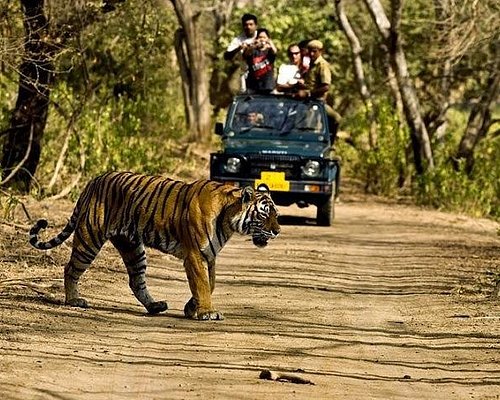
Reading books, watching documentaries, and following wildlife blogs before your trip builds knowledge that enriches real-world observations. Many resorts screen wildlife films during evenings, providing educational entertainment between safaris.
10. Respect Wildlife Ethics and Park Rules
Experiencing the best tiger safari in Madhya Pradesh demands responsible behavior. Maintain absolute silence during safaris—loud conversations disturb animals and diminish other guests' experiences. Never attempt to make animals move for better photographs by shouting or throwing objects. Stay seated in vehicles always, as standing poses safety risks and violates regulations.
Respect distance guidelines when observing wildlife. Follow naturalist instructions immediately—they prioritize safety and animal welfare. Littering strictly forbidden; carry trash out of parks. Flash photography startles nocturnal animals and is typically prohibited.
11. Plan Buffer Days and Alternative Activities
Build flexibility into itineraries by including buffer days accommodating unexpected circumstances like vehicle issues or weather disruptions. Many tiger safari destinations offer complementary activities including village visits, bird watching excursions, nature walks in buffer zones, and visits to historical sites near reserves.
These alternatives ensure enjoyable experiences even during occasional quieter safaris. Exploring local culture, cuisine, and crafts adds depth to wildlife-focused trips, creating well-rounded travel memories beyond tiger sightings.
Planning the best tiger safari in Madhya Pradesh combines research, flexibility, and genuine passion for wildlife conservation, creating transformative experiences that connect travelers with India's magnificent apex predators.

